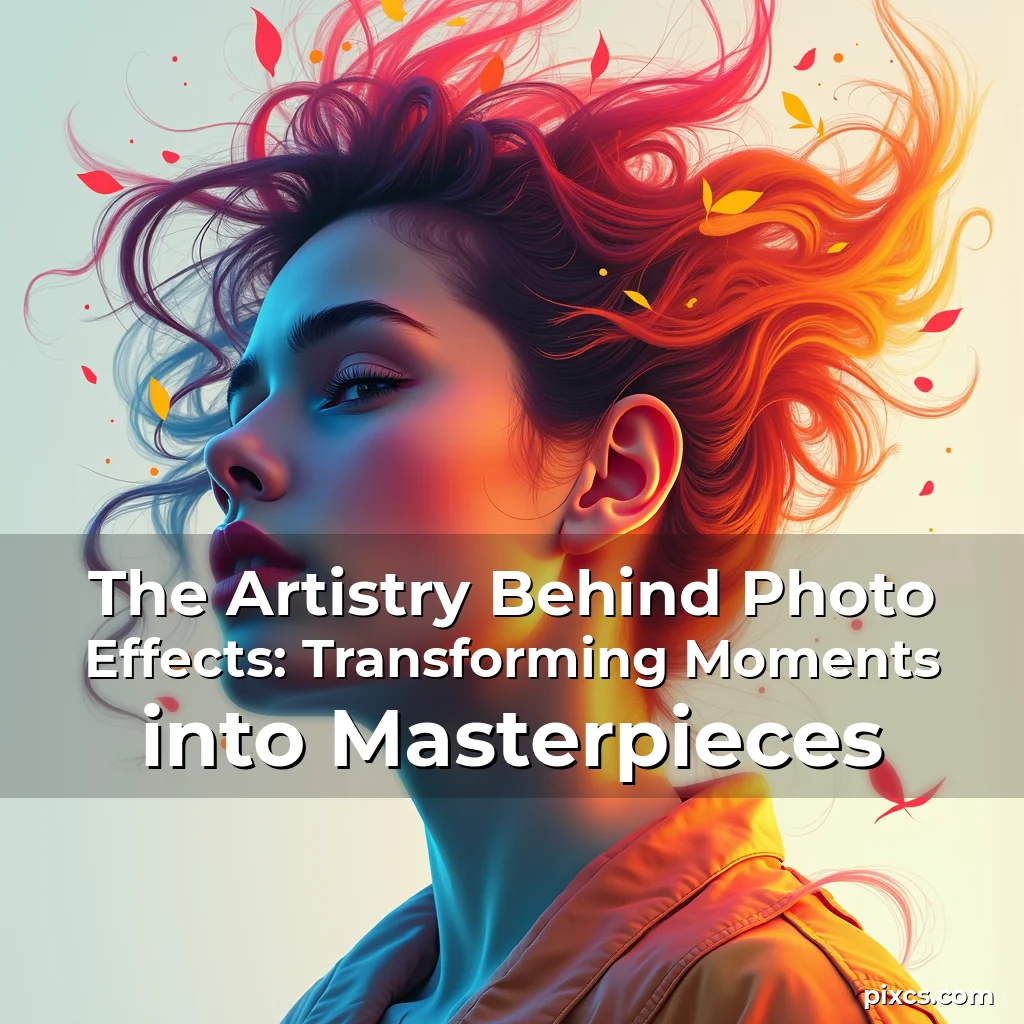
The Artistry Behind Photo Effects: Transforming Moments into Masterpieces
In an age where visual storytelling reigns supreme, photo effects have become indispensable tools for photographers, designers, and enthusiasts alike. These digital enhancements allow creators to transcend the limitations of reality, transforming ordinary snapshots into extraordinary pieces of art.
From subtle adjustments that enhance clarity to dramatic filters that evoke emotion, mastering photo effects can elevate your work from good to unforgettable. This guide explores how these techniques shape our perception and redefine creativity itself.
Understanding the Fundamentals of Photo Effects
At its core, photo effect creation involves manipulating pixels through software algorithms to alter color balance, contrast levels, sharpness, and much more. The foundation lies in understanding basic image properties before experimenting with advanced transformations.
Beginners often overlook the importance of working with raw files rather than compressed JPEG formats when applying complex edits. RAW images retain significantly more data which allows greater flexibility during post-processing stages.
- Color Temperature: Adjustments here affect mood – cooler tones create serenity while warmer hues convey warmth and intimacy
- Lens Distortion Correction: Modern cameras introduce slight aberrations that can be precisely corrected using specialized tools
Advanced Techniques That Define Professional Quality
Once foundational skills are mastered, professionals employ sophisticated methods such as double exposure blending, light painting simulations, and chromatic aberration manipulation to achieve cinematic results.
Digital artists frequently use layer masks combined with gradient maps to produce seamless transitions between different lighting conditions within single compositions. This technique mimics natural environmental changes seen in real life scenarios.
Double Exposure Mastery
Originating from film photography days, double exposures combine two separate images onto one frame creating surreal visual narratives. Contemporary software enables precise control over opacity settings and alignment parameters for perfect overlays.
Professional studios utilize high-resolution backdrops paired with motion tracking systems to ensure accurate registration when merging moving subjects with static backgrounds in double exposure shots.
Creative Applications Across Different Photography Genres
Portrait photographers apply skin smoothing algorithms selectively while preserving textural integrity; landscape specialists might add atmospheric perspective by adjusting depth-of-field gradients across scenes.
Fashion shoots benefit immensely from selective coloring techniques that highlight garments against neutral background tones without overpowering the subject’s features unnecessarily.
- Action Sports Photography: High-speed shutter effects simulate time-lapse sequences showing movement trails behind athletes mid-air
- Astro Imaging: Long-exposure star trail captures require careful noise reduction strategies due to low-light sensitivity challenges
The Emotional Impact of Strategic Effect Application
Sophisticated use of vignetting and desaturation techniques can dramatically influence viewer interpretation – darkened corners draw attention inward while muted colors suggest melancholic themes effectively.
Mood enhancement through strategic use of grain simulation adds authenticity particularly useful in retro-style projects aiming to emulate vintage film aesthetics successfully.
Ethical Considerations in Digital Manipulation
While artistic freedom permits considerable alterations, ethical boundaries exist regarding truth representation especially in documentary contexts requiring editorial transparency standards.
Some industries establish clear guidelines defining permissible edit ranges – wedding photography typically maintains realistic appearances whereas fantasy genres embrace full transformation possibilities openly.
Tools & Software Revolutionizing Photo Enhancement Capabilities
Adobe Photoshop remains industry standard but free alternatives like GIMP offer comparable power though learning curves differ considerably depending on user experience levels.
Mobile applications now rival desktop counterparts providing instant editing capabilities right from smartphone screens with intuitive gesture controls simplifying complex operations previously reserved only for experts.
- AI-Powered Tools: Machine learning algorithms automatically detect objects allowing targeted enhancements without manual selection required
- Cloud-Based Collaboration Platforms: Enable teams to review revisions simultaneously regardless of geographic locations maintaining version consistency crucially important in commercial assignments
Future Trends Shaping the Evolution of Photo Effects
Advancements in neural networks promise even more intelligent automation capable of suggesting optimal filter combinations based solely upon scene analysis performed instantly after capture completion.
Augmented reality integration may soon let users visualize potential edits in real-time overlaid directly onto physical environments before finalizing decisions digitally.
Conclusion
Photo effects serve not merely as technical enhancements but as vital components shaping modern visual communication landscapes comprehensively.
To harness their full creative potential requires balancing innovation with responsibility ensuring each modification serves artistic intent rather than misleading perceptions improperly.