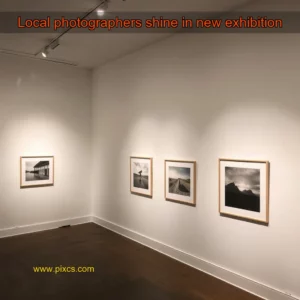
The Islesburgh Photographic Club’s Latest Exhibition: A Celebration of Shetland’s Unique Culture
The Islesburgh Photographic Club’s latest exhibition, “Seen Furt,” is set to open this weekend, showcasing the rich and diverse culture of Shetland through the lens of its talented photographers. The exhibition promises to be a visual feast, offering a glimpse into the unique aspects of Shetland life, from the vibrant celebrations of Up Helly Aa to the stunning landscapes of Sumburgh Head lighthouse.
The Story Behind the Exhibition
The exhibition is the result of a collaborative effort between the Islesburgh Photographic Club and the Shetland Museum and Archives. The club’s members, all passionate about photography and Shetland’s culture, worked together to curate a selection of images that tell the story of the islands’ history, traditions, and way of life. The exhibition features a range of photographs, from portraits of Shetland’s residents to landscapes of its rugged coastline and picturesque villages. The images are accompanied by captions that provide context and insights into the stories behind each photograph. The exhibition also includes a selection of photographs from the Shetland Museum and Archives’ own collection, which adds an extra layer of depth and historical significance to the exhibition.
The Themes of the Exhibition
The exhibition explores several themes that are central to Shetland’s culture and identity. These include:
The exhibition is open to the public, and the club is located in the heart of the city, making it easily accessible.
The Furt Club: A Hub for Photography Enthusiasts
The Furt Club is a unique and fascinating space that brings together photography enthusiasts and professionals alike. Located in the heart of the city, this club offers a platform for photographers to showcase their work and connect with like-minded individuals.
The Exhibition
The club’s exhibition is a highlight of the year, featuring the work of 12 talented photographers. The exhibition is open to the public, allowing visitors to explore the diverse range of photography styles and techniques on display. From landscape and portrait photography to street and documentary photography, the exhibition showcases the breadth and depth of the medium. The exhibition is divided into several sections, each highlighting a different aspect of photography. The sections include:*
- Landscape and Seascape Photography
- Portrait and Figure Photography
- Street and Documentary Photography
- Fine Art and Experimental Photography
The Club’s Mission
The Furt Club is dedicated to promoting and supporting photography as an art form.
The Shetland Folk Club
The Shetland Folk Club is a long-standing institution in the Shetland Islands, with a rich history spanning decades. The club meets monthly at Islesburgh in Lerwick, a hub for cultural and social activities in the islands.
History of the Club
The Shetland Folk Club has been in operation for over 40 years, with its roots dating back to the 1970s. The club’s early years were marked by a strong focus on traditional Shetland music and dance, with members performing at local events and festivals. The club’s founders were a group of passionate music lovers who wanted to preserve and promote Shetland’s unique cultural heritage. They drew inspiration from the islands’ rich history, folklore, and mythology, incorporating elements of these into their performances and events. Over time, the club expanded its scope to include other traditional music styles, such as Scottish and Irish folk, as well as contemporary music.
The Club’s Activities
The Shetland Folk Club is known for its diverse range of activities, which cater to different interests and skill levels. Some of the club’s regular events include:
The tactile appeal of film development offers a unique alternative to digital photography.
He believes that digital photography has made it easier for people to take high-quality photos, regardless of their skill level or experience.
The Resurgence of Film Development
In recent years, there has been a noticeable resurgence of interest in film development. This trend is not limited to professional photographers, but has also caught the attention of hobbyists and enthusiasts. According to Hubbard, the appeal of film development lies in its unique and tactile nature. The process of loading film into a camera, the sound of the shutter clicking, and the anticipation of waiting for the film to be developed are all sensory experiences that are often missing in digital photography.
The Benefits of Film Development
While digital photography has made it easier to take high-quality photos, Hubbard believes that film development offers several benefits that are worth exploring. Unique aesthetic: Film development produces a distinct, film-like quality that is difficult to replicate with digital photography.
From cumbersome devices to sleek, portable cameras, the evolution of photography has been a remarkable journey.
The Origins of Vintage Cameras
The first camera, invented by Joseph Nicéphore Niépce in 1826, was a cumbersome device that used a pewter plate coated with a light-sensitive substance called bitumen of Judea. The camera was so large that it had to be carried on a tripod, and the exposure time was around 8 hours. This early camera was the precursor to the modern camera, but it was still a far cry from the sleek, portable devices we use today. The development of photography continued throughout the 19th century, with the invention of the daguerreotype in 1839 and the wet collodion process in 1851. These early cameras were still relatively large and cumbersome, but they paved the way for the development of more portable and accessible photography.
The Golden Age of Photography
The late 19th and early 20th centuries are often referred to as the “Golden Age of Photography.” During this time, photography became more accessible and affordable, with the introduction of the Kodak camera in 1888. The Kodak camera was a revolutionary device that allowed people to take multiple exposures without having to reload a new plate each time. This made photography a popular hobby among the masses, and it paved the way for the development of modern photography. The early 20th century also saw the introduction of new photographic technologies, such as the 35mm film format and the Leica camera. These devices were smaller, lighter, and more portable than earlier cameras, and they made photography more accessible to a wider range of people.
Chris Smith’s Collection
Chris Smith’s collection of vintage cameras is a testament to the evolution of photographic technology over the past century.
The club’s digital media team will also be on hand to provide information and answer questions about the digital media used in the exhibition.
The Islesburgh Club: A Legacy of Innovation and Creativity
The Islesburgh Club, a renowned institution in the world of digital media, has been a driving force in the development of digital art and technology for over three decades. With a rich history of innovation and creativity, the club has consistently pushed the boundaries of what is possible with digital media.
A Legacy of Experimentation
The Islesburgh Club’s commitment to experimentation and innovation has been evident throughout its history. From the early days of digital art to the present, the club has been at the forefront of new technologies and techniques. This commitment to innovation has led to the development of new and exciting digital media, including digital art, animation, and video production. Key milestones in the Islesburgh Club’s history include: + The development of the first digital art program in the 1980s + The creation of the first digital animation studio in the 1990s + The launch of the club’s digital media team in the 2000s
A Club for All
The Islesburgh Club is more than just a group of like-minded individuals; it’s a community that welcomes and supports members from all walks of life.
The Seen Furt exhibition in the museum’s Gadderie space opens to the public on Sunday (9 February) and will be on display until Sunday 27 April.

news is a contributor at Pixcs. We are committed to providing well-researched, accurate, and valuable content to our readers.